
Shambo Mukherjee
Product builder exploring how technology shapes human behavior and systems.
"I build products that shape how people interact with communities, environments, and everyday systems."
About Shambo Mukherjee
Shambo Mukherjee builds digital systems that influence how people make decisions, collaborate, and interact with communities.
He is currently studying Computer Science and Psychology at Krea University, where he works at the intersection of product design, software engineering, and behavioral systems.
At 15, Shambo founded The Trash Company—an information routing system connecting waste generators with certified recyclers. The bootstrapped venture scaled to 10,000+ users across India over five years and was acquired for ₹1 crore ($125,000). The core product insight was deceptively simple: the waste recycling market's primary friction was information asymmetry, not logistics. By eliminating the intermediary gap between generators and recyclers, the platform solved the coordination problem that made small-scale recycling economically unviable.
He has also worked on product and AI ventures including Ranel AI, exploring how information systems can address market failures in education and sustainability.
His work explores how structured digital systems can influence behavior, decision-making, and collaboration in real communities.
Systems I Build
Community Marketplaces
Platforms that enable trusted peer-to-peer exchange within real communities.
Behavioral Systems
Digital products that influence habits, motivation, and participation.
Institutional Tools
Software designed to integrate with organizations and real operational workflows.
Featured Work
Selected projects exploring the intersection of technology, psychology, and human-centered design.
Krea Thrift
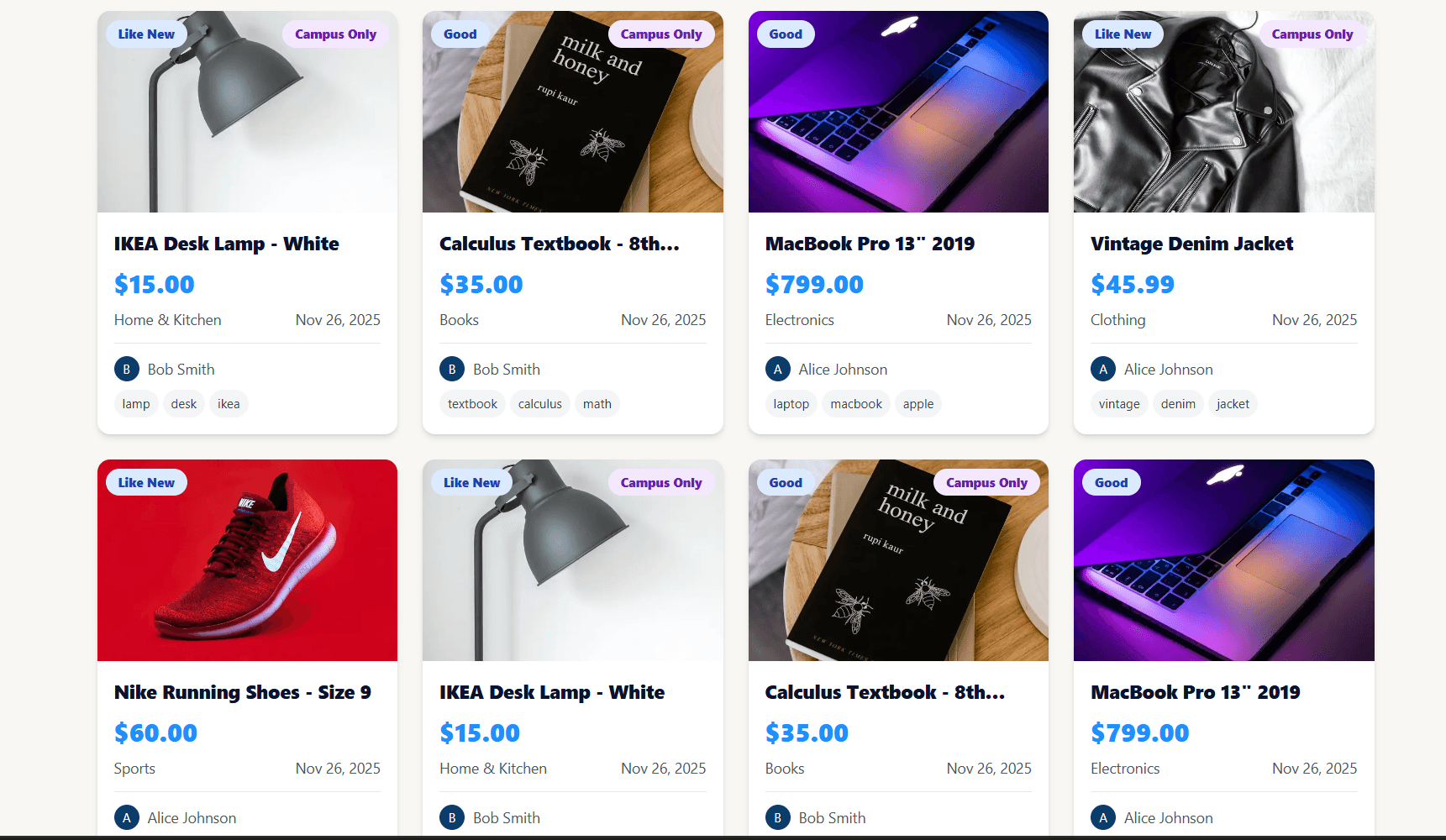
Campus marketplaces fail differently than large-scale platforms — the primary blocker isn't features or UX, it's liquidity. At Krea, I identified that listing density, not functionality, was the adoption threshold. Early strategy focused entirely on seeding supply before expanding features. The result: 700+ users and 100+ listings/week within three months, adopted as the primary resale platform on campus. Built with Next.js, React, Firebase, and TailwindCSS.
LifeQuest
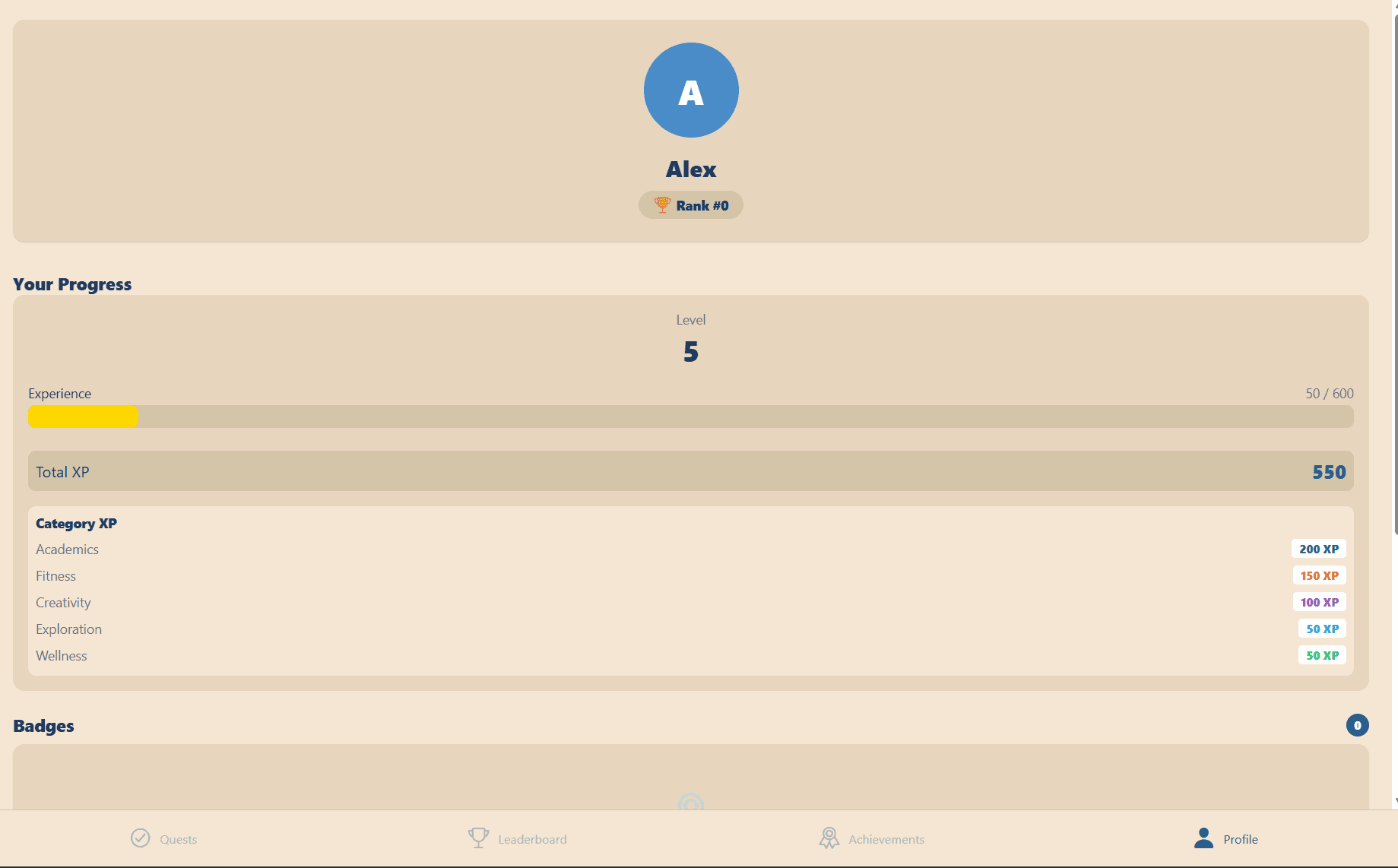
Gamification behaves differently in communities where users know each other. At Krea, social visibility — seeing peers complete challenges and appear on leaderboards — proved more motivating than individual achievement mechanics. The design target shifted from engagement metrics to shaping group behavior norms. Currently in user testing and institutional deployment. Built with React Native, Expo, and TypeScript.
Course Manager
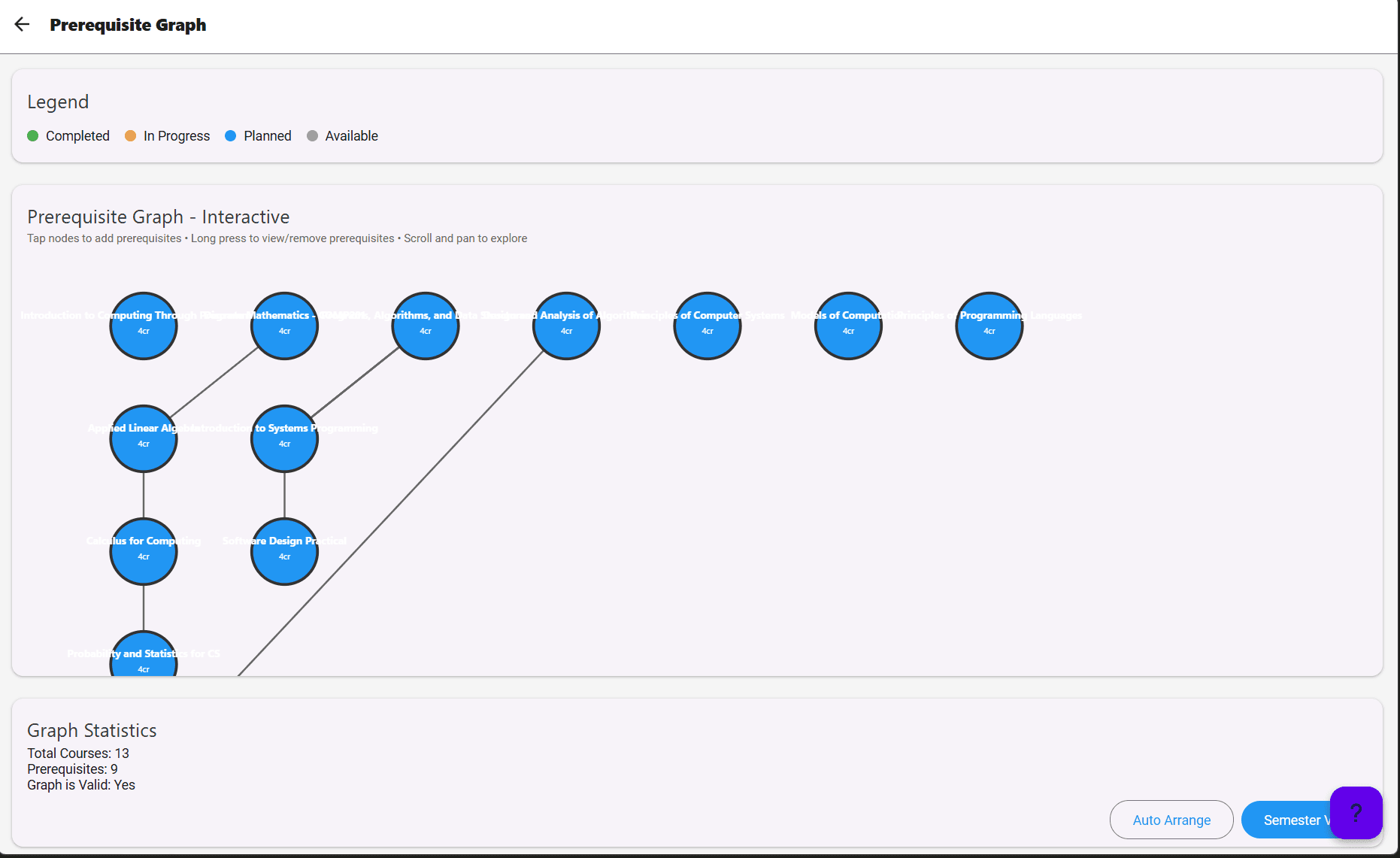
Institutional software fails when it ignores existing systems. Course Manager was designed around a core constraint: it had to coexist with Krea's advising structures, ERP, and administrative workflows — not replace them. Prerequisites are modeled as directed graphs for visual planning, but the real product work was interoperability with institutional data structures. Now being integrated into the university ERP. Built with React Native, TypeScript, and SQLite.
Let's work on something worth building.
I'm interested in PM internships, research collaborations, and product conversations. If you're working on something that involves information systems, behavioral design, or AI product problems — reach out.